


3jl | Exploring Strategy Games: The Key Elements of a Captivating Genre
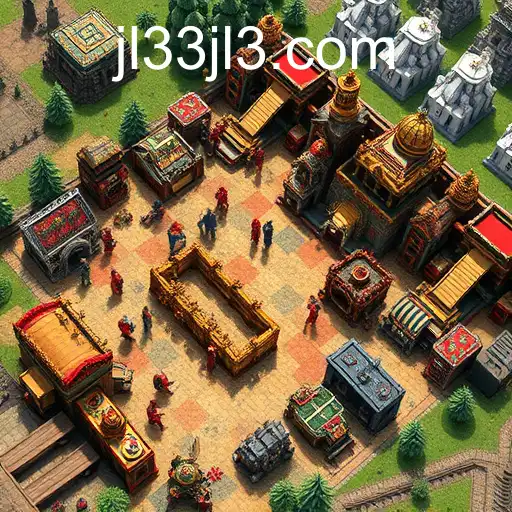
Strategy games have long captivated the minds and hearts of gamers worldwide. Defined by their focus on challenging players to think critically and plan strategically, this genre has grown to encompass a wide variety of sub-genres and styles, each offering unique experiences to their audience.
At their core, strategy games revolve around resource management, decision-making, and long-term planning. Players are often put in control of various elements like units, resources, and territories, each requiring careful thought and precise execution to achieve victory. These games can be broadly categorized into two main types: real-time strategy (RTS) and turn-based strategy (TBS).
Real-time strategy games, such as the iconic 'StarCraft' or the historically-inspired 'Age of Empires,' demand quick thinking and fast reflexes. Players must constantly adapt to changing circumstances, managing resources and commanding units in real time. The adrenaline rush of making split-second decisions under pressure is a key feature that draws gamers to RTS titles.
Conversely, turn-based strategy games like 'Civilization' or 'XCOM' emphasize careful planning and methodical execution. These games give players the time to think through their actions, consider the consequences, and devise intricate strategies over long periods. The satisfaction of seeing a well-laid plan come to fruition over subsequent turns is a significant draw for players who enjoy a more contemplative gaming experience.
What truly sets strategy games apart is their emphasis on player agency and the multitude of pathways to victory. Whether through diplomatic maneuvering, economic dominance, or military conquest, strategy games empower players to pursue their objectives through a variety of means. This diversity of tactics ensures that no two playthroughs are ever the same, adding to the genre's enduring replayability.
Furthermore, strategy games often boast compelling multiplayer modes, offering the thrill and unpredictability of human opponents. Engaging in strategic duels or collaborating in alliances adds another layer of depth to the genre, fostering communities that discuss and compete on various forums and platforms.
In recent years, the evolution of technology has allowed for increasingly complex and visually stunning strategy games. Developers continue to push the boundaries of what is possible, incorporating intricate storylines, advanced AI, and stunning graphics to enhance the player's experience.
In conclusion, the allure of strategy games lies in their ability to challenge our intellect and creativity. They provide a sandbox for players to experiment with different strategies, bending to multiple styles of play and preferences. As the genre continues to evolve, it remains a cornerstone of the gaming industry, endlessly fascinating and accessible to both veteran strategists and newcomers alike.
